
Pests That Can Harm Citrus Trees
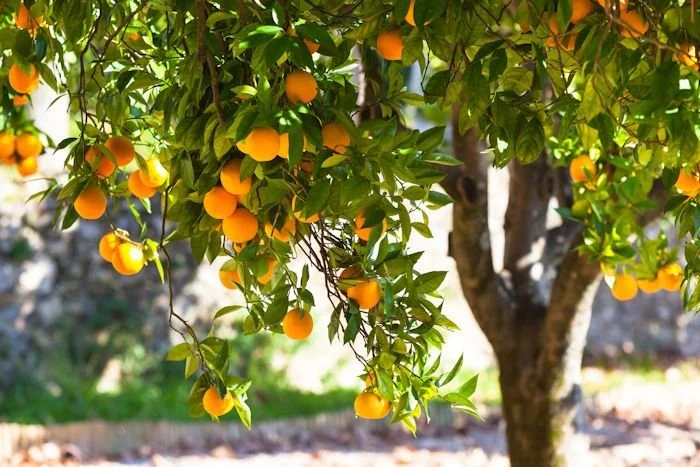
The Arizona climate makes it possible to grow delicious citrus fruits that you can pluck directly off of the tree. With proper care, a citrus tree can produce a high yield of fruit. Yet, those tangy and sweet flavors are attractive to pests just as much as they are to humans.
Pests affect citrus trees by directly eating the fruit. They may also chew through the leaves or feed on the sap that comes from the trunks. Some pests can transmit diseases that further impact tree health.
There are a number of pests that can affect the trees on your property. Knowing how to identify them and the signs of damage help to keep your citrus trees in good health.
Snails
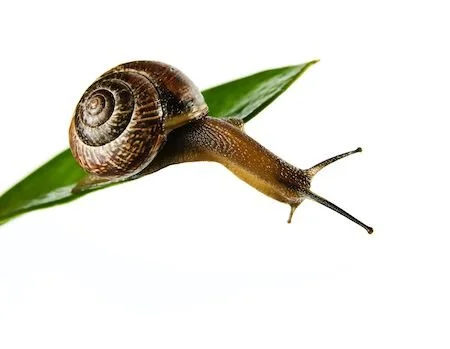
These pests tend to be attracted to leaf litter, and cleaning up lawn debris helps to keep them away. Snails are often more active at night, and their silvery trails are most visible in the morning. They feed on both fruit and leaves. Multiple snails can do a large amount of damage in a short time.
Aphids
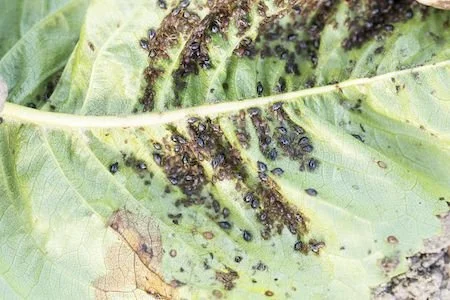
An aphid infestation is often evident by the curled leaves and damaged foliage that they leave behind. Aphids also produce a sticky substance that is found on tree leaves. This is often called honeydew, and it might attract a large number of ants. Honeydew that stays on the tree can collect fungal spores that cause mold growth and further deterioration of the plant. Aphids can sometimes be controlled through natural predators such as ladybugs.
Thrips
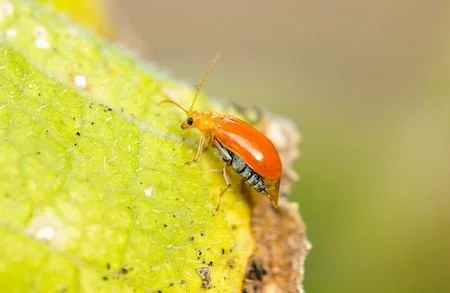
An adult thrip usually does not grow larger than one millimeter. Despite their tiny size, they are responsible for a significant amount of damage to commercial citrus crops. They can also be found on ornamental citrus trees in residential landscapes. Thrips feed on the fruit of citrus plants. Their feeding habits leave behind scars on the fruit rind that may appear silvery or scaly. The majority of this damage is aesthetic, but it can be an issue for people who plan to sell their harvests.
Pocket Gophers and Voles

Not all pests are insects that attack the leaves and fruit. Some pests that live underground feed on the roots of citrus trees. This can cause the tree to lose the ability to absorb water and nutrients from the ground. Pocket gophers and voles are the most common culprits for this type of damage. They may leave burrows or holes above the ground, and they might be the reason for a tree that fails to thrive when there are no other obvious reasons.
Asian Citrus Psyllid
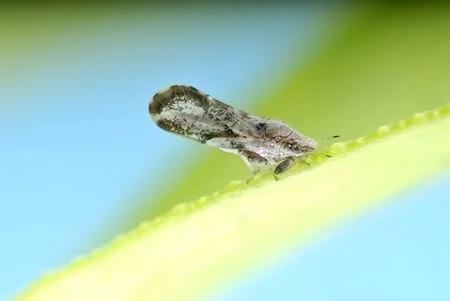
The Asian Citrus Psyllid is an invasive species that originally came from Asia. The tiny, aphid-like insects suck out the inside of the citrus tree leaves. The damage results in leaves that are waxy and distorted. Adult Asian citrus psyllid can carry and transmit bacteria that causes Citrus Greening Disease. The symptoms of this disease include yellow shoots, bitter fruit and small leaves. Eventually, these unhealthy trees no longer produce edible fruit and continue to decline in health until they die off.
Plant pest infestations are not always preventable. Keeping branches and leaves off the ground helps. Early detection also makes treatment easier. Give citrus trees plenty of water, and check them regularly for signs of a problem so that pest control treatment can start right away.
Custom Weed & Pest Control has been in business since 1989, serving the greater Phoenix metro area for both residential and commercial. We offer organic, natural and chemical pest control, with customized service to meet your specific needs.
