

Weed Control in Phoenix, AZ
Professional Weed Control in Phoenix, Arizona
Custom Weed & Pest Control provides professional residential weed control throughout Phoenix and the surrounding Valley. Our customized treatments target existing weeds and help prevent future growth.
No Contracts. One-Time Treatments. 6-Month Guarantee.
Every residential weed control treatment includes a 6-month guarantee. If weeds return within six months, we'll return and re-treat the affected areas at no additional charge.
Get a free quote for your property today.
Want to know what professional weed control costs? Read our guide to residential weed control pricing in Arizona.

Pre-Emergent Weed Application
Pre-emergent products are applied to the soil to prevent or kill weeds before you see them. At the beginning of the season, we will spray your property with pre-emergents. You won’t have to worry about your landscaped areas becoming choked with weeds. If they come back, we come back—guaranteed.
Post-Emergent Weed Application
Post-emergent treatments target weeds that are already growing. We assess the weeds and surrounding landscape to select an appropriate treatment for the area, including unwanted grasses and sedges..
Broadleaf Weed Control
Sometimes, your lawn is full of everything but the grass you desire. If your yard or turf area is filled with weeds, our broadleaf treatment will kill the weeds, but your grass remains healthy.
Grass Control Treatment
Your lawn looks green, but upon closer inspection, your “grass” is full of weeds, and not the actual grass you want. We have grassy weed control programs that keep out the unwanted grasses and give your lawn a chance to thrive.

Olive Tree Fruit Suppression
Looking to keep your olive tree from blossoming to reduce your allergy symptoms or stop the tree from fruiting? Our olive tree fruit suppression service will prevent your trees from bearing fruit and creating a mess in your yard. Services are performed from January to April depending on weather and tree conditions.
Insect & Disease Control
Stressed turf, plants, and trees are vulnerable to insects and disease. We offer treatments for insects in plants, and turf diseases (i.e. pearl scale, brown spots, etc.).
Bermuda Grass Control
Converting a lawn to desert landscaping? We offer treatment programs to control unwanted Bermuda grass before the conversion. Our team assesses your property and recommends a treatment plan to address existing growth and help manage regrowth.
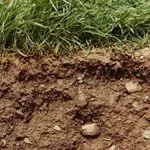
Soil Treatments
You keep watering and taking care of your plants, trees, and grass, but they are still stressed or appear in decline. One possible reason could be the soil. Alkaline soils (high pH – common in Sonoran Desert), and soils with high sodium levels, prevent your plants from absorbing the nutrition that may be in the soil. We have programs designed to leach sodium and reduce the pH.
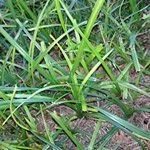
Nutsedge Treatments
We offer targeted treatments for nutsedge in lawns and landscaped areas. Our team assesses the affected areas and recommends a control program tailored to your property. Contact us to discuss treatment options.
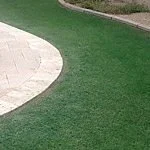
Turf Paint
Looking for a great way to reduce your water usage and still have a green lawn? Turf painting may be an option for you. Turf painting allows you to have a green lawn in the winter even if you decide to not overseed. Turf paint is also good for stressed out Bermuda grass.
Custom Service Plans
It’s nearly impossible to list all the services Custom Weed & Pest Control can offer. Have an unusual issue that is not listed on our site? Contact us to see if we can help. With our experience, we can help you find a solution to your problem.
Request Our Services
Get in touch now
Fill in the form and we will get back to you ASAP.
You can also give us a call at (602) 956 3844.

Guide to Arizona Weeds
As you assess your residential or commercial landscaping needs, you can use this guide to understand exactly what is involved for Arizona weed control.
Despite living in the desert climate of Phoenix, weed control feels like a never-ending battle for home and business owners in Arizona. Not only are weeds just plain ugly, but some found in our state are invasive species that choke out desirable plants.
Unfortunately, not everyone has the time available that is required to keep their landscapes weed-free, and it takes special expertise to know how to eliminate weeds without killing off the plants that you want to include in your landscape.
The Most Common Types of Weeds Found in Arizona
There are two main types of weeds that you will find in Arizona.
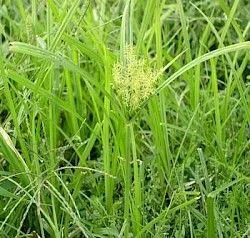
Unwanted Grass Species
The first type is unwanted grass species. While some types of grass such as Bermuda are often used intentionally in lawns, you may prefer not to have this species growing in your xeriscaping.
Other types of grassy weeds such as bromegrass are invasive species that increase the risk of wildfires and spread rapidly if they are allowed to grow uncontrolled.
In some cases, weeds can even look so much like grass that it is hard to tell the difference. For instance, nutsedge often grows in lawns, and you may not realize that it is a problem until the growth is extensive.
Orchard grass and the common foxtail are a few more grassy weeds that must be controlled for your landscape to flourish. Since these weeds are so similar to desirable grass, special herbicides must be used to avoid damaging the plant life that you want to keep in the lawn.
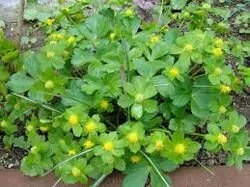
Broadleaf Weeds
Broadleaf weeds are the other type that you may encounter in your landscaping. As their name suggests, these plants tend to have flat, broad leaves that are larger than the grassy varieties.
Their larger leaves make them easier to identify when they grow in natural grass, yet these plants can also cause damage to the grass faster than grassy types because their size means that they use up more sunlight, water and nutrients from the soil to grow.
In Arizona, there are a variety of broadleaf weeds that grow in lawns throughout the state. Although some broadleaf weeds such as purslane, goosefoot and pigweed are edible, they are best kept to containers since they spread fast and take over gardens before new desirable plants have a chance to take hold.
Other broadleaf weeds, such as puncturevine and bur clover have parts that are painful and irritating to humans and animals. If you’ve ever had to pick burs off your pet, then you know what a nuisance bur clover is when it is allowed to spread.
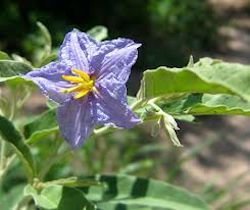
Silver nightshade is another weed that must be dealt with immediately since its toxic effects can poison livestock on your property.
While broadleaf weeds such as tumbleweed may be easier to spot, their larger size often means that they spread thousands of seeds at once and for long distances, which requires special control strategies to kill off plants before they emerge or become widespread.
The Difference Between Pre- & Post-Emergent Weed Spraying
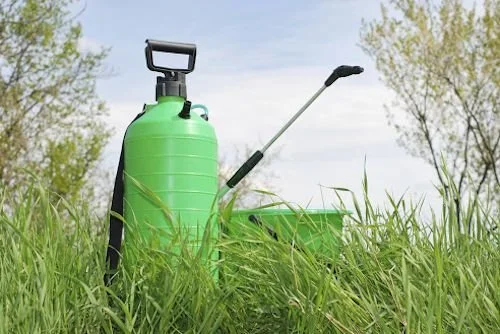
Weed sprays come in two main types, and understanding the differences between the types helps you make the right decisions about how to control weeds on your property throughout the year.
Pre-Emergent Weed Sprays
Pre-emergent weed sprays should be applied before weeds emerge. Typically, these are applied while outdoor temperatures are still at their lowest and before the soil has begun to warm up.
Pre-emergent herbicides target the seeds of weeds by creating a barrier around them that prevents germination. Since the seeds are targeted, this type of herbicide only works when the plant has not yet begun to grow.
Weed control specialists often use pre-emergent herbicides to control annual weeds such as googegrass and crabgrass in areas where they are known to thrive.
The application process of pre-emergent herbicides involves either spraying a liquid or sprinkling granules containing the herbicide directly on to the soil. Once the herbicide is applied, then water helps it be absorbed by the soil.
Although rain is best for helping the herbicide reach deep into the ground, you can also use a sprinkler system to increase the rate of absorption. However, you must use caution to avoid rinsing the herbicide away from the target location since this can reduce the effectiveness of the treatment and may cause damage to the neighboring plants.
Always consult with your weed control technician about how to properly water your lawn after pre-emergent treatments are applied.
Post-Emergent Weed Sprays
Post-emergent weed sprays are used for perennial plants such as Bermuda grass that tend to come back year after year, especially those that have extensive root systems. These types of herbicides also work on annual plants that have already passed the seed germination point of the life cycle.
For this reason, you will need to use this type of herbicide after spring or anytime that a weed has already emerged from the ground.
A post-emergent treatment works by sending the herbicide directly into the plant stalk where it then travels down into the root system where it begins to poison the weed. Like pre-emergent herbicides, these come in both liquid and granule forms.
To use the liquid type, you simply spray the herbicide directly on the plant. This is ideal when you want to target one or two plants that exist within a desirable landscape.
You can also use granules for areas that need wider coverage. These are sprinkled on the ground and activated with water just like the pre-emergent type.
In most cases, you should see results of a post-emergent herbicide on annual plants within just one or two days. Shriveling or yellow leaves, brown stalks and wilting are all good signs that the weed control treatment is working.
Types of Products Used by Weed Control Services
Professional weed control services should always have multiple strategies available to create a customized plan that targets your specific landscaping needs.
For instance, some products are selective. These weed control products only work on specific types of plants, and you may need this type to preserve the beauty of your property. Non-selective products, however, also have their place. For instance, you could use a non-selective weed spray to control all the plants growing in your rock garden or along a crack near the walkway.
Chemical weed sprays are also selected based upon their longevity. Residual herbicides continue to work for months to years after their application. Since these types of weed control products are incredibly potent, they are best to be used only on land that you know that you do not want to grow plants on for at least one to two years.
Systemic weed treatments, however, only work for a short period of time and target the actual plants that you want gone. In most cases, your weed control technician will likely use a short-term spray that keeps weeds away for the season so that you have more options for changing your landscaping when the next season rolls around.
Natural and Organic Weed Control
Weed control treatments used by professional services are not always chemical-based. Natural and organic treatments are also effective for eliminating undesirable plants.
Natural herbicides are burn-down post-emergents that are effective on annual weeds and grasses but are weak on perennials.
For instance, natural herbicides such as those with citrus oil bases break down the waxy coating on leaves so that they can no longer hold water. Once this happens, the plant dehydrates and dies.
Acetic acid, or vinegar, is another natural ingredient that is commonly used in weed control products that has some effect on certain weed varieties.
Although natural weed control methods sometimes require additional applications, they are ideal in areas where chemicals may not be safe to use such as on playgrounds or near sensitive wildlife.
Soil Treatments
Soil treatments are another method that is used to control weeds. For example, pigweed tends to thrive in sandy soil, and altering the soil’s chemistry can stop new plants from growing.
Weed control specialists understand the unique aspects of the different types of soil that grow in Arizona, and they can use strategies such as adjusting the alkalinity of the soil to influence which plants grow in your lawn.
Benefits of Working with a Professional Weed Control Service
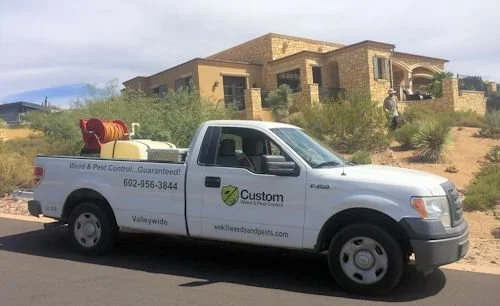
When the first weed sprouts, you may be tempted to give it a pull. While some old-fashioned hand pulling is an effective way to handle weeds, you need to be aware that more weeds may quickly take its place. Alternatively, using the wrong type of store bought spray will have just about as much effect on a weed as giving a good dose of water.
Weed control is like a fine art since there are so many different varieties that exist in Arizona, and noxious species are a serious threat to humans, animals and your property.
Professional weed control technicians are trained to identify all the weed species that grow in Arizona, and they know each of their characteristics such as whether a variety is an annual or perennial. This enables them to select the appropriate weed control strategy to eliminate undesired plants quickly and efficiently.
Professional weed control services also protect you from using a chemical-based herbicide incorrectly. While you should only use products that are safe for humans and animals on your landscape, there are types that are toxic for specific amounts of time or if they are not diluted properly.
Warning: In a best-case scenario, do-it-yourself methods may merely be ineffective and cost you more money than you thought that you would save. However, trying to tackle weed control on your own can also create worst-case scenarios such as creating a toxic environment or damaging all the plants on your property. Replacing desirable plant life or renewing soil that has been accidently treated with the wrong herbicide can take years to repair.
Personalized Weed Control Plan
The ideal weed control plan for your property should be tailored to fit your lifestyle, needs and the characteristics of your landscape. Simply put, there is not a one-size-fits-all weed product available since the timing and types of weeds that you need to control varies from one place to another.
Although we use natural products when indicated, because they are limited in scope we also offer low-use materials, which have much less environmental impact than strong chemicals.
When you have a weed control problem, reach out for professional assistance so that we can help you restore the beauty of your property. If you need pest control, ask about our complete weed and pest control package.