
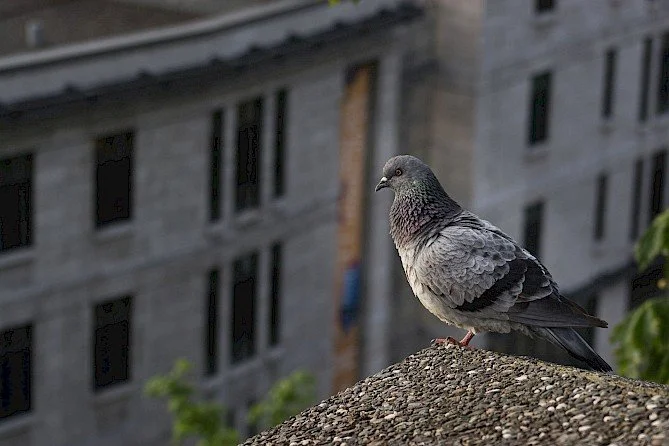
Feeding pigeons might seem like a nice thing to do, but it leads to serious problems. Putting food out for one pigeon can lead to an entire flock making your property their home.
Problems Caused by Feeding Pigeons
Pigeons are also known for spreading disease and leaving a mess of droppings behind. In Phoenix, feeding pigeons is a punishable offense. In addition to dealing with a hefty fine, feeding pigeons can also lead to serious pest problems at your home or business.
They Damage Buildings
A single pigeon can create significant damage to your property in a short amount of time. The problem just gets worse when you have a whole flock nesting on your property.
A pigeon’s droppings are highly acidic. Over time, their waste can break down building materials such as concrete, metal and wood. Once these materials break down, rodents and insects are able to get into your building.
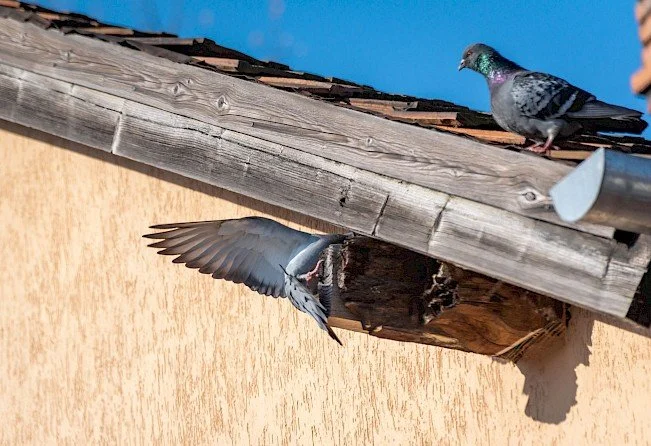
Pigeons often tend to build nests in areas that create problems. Nests in gutter systems, drain pipes and along the eaves of the roof can cause clogs. This allows water to build up in areas where it can cause damage.
Waterlogged wood and damaged roofing materials are easier for pests to chew through. Pigeon problems are a common cause of mice and rat invasions in attics.
Pigeon Droppings Attract Pests
The droppings left behind by pigeons are unsightly to humans and potentially toxic. For insects, those droppings look like a lovely feast. Flies and cockroaches are known for feeding on pigeon droppings.
Flies will also use the droppings to lay their eggs in, since it provides nutrients for their larva. This is why you’ll often see an abundance of flies in areas where pigeons tend to congregate.
Pigeons Can Carry Fleas and Ticks
You might already discourage squirrels from wandering around your property to keep flea problems at bay, but pigeons are an often overlooked source of pests that can affect your pets and spread disease.
Fleas, ticks and mites often feed on pigeons. As pigeons fly and roost on your property, these pests can fall off of their skin and begin invading the land. Keeping pigeons away from your property can help prevent the spread of flea and tick-borne illnesses.
Their Uneaten Food Attracts Other Critters
Overzealous feeding often results in food being left outside. If you’ve ever seen ants overtake a bread crumb, then you can see how this turns into a major problem.
Uneaten food attracts a wide range of pests. Small amounts of food might attract cockroaches and ants. Larger amounts can even draw in bigger critters such as roof rats and raccoons.
If you have a problem with pests on your commercial property, then you may want to post signs asking guests not to feed pigeons. At home, you can do your part by making sure to clean up after eating outside. Bringing in pet food and limiting the use of bird seed can also keep pigeons away.
Pigeons are born with natural instincts that help them feed themselves along with their young. Feeding a pigeon removes their ability to find food naturally. This practice can also lead to unwanted behaviors that attract pests such as roosting.
If you stop feeding pigeons, they’ll often go away on their own. You’ll also benefit from deterring more pests from coming to your property and causing further damage.
