
Do You Need to Have Your Soil Tested?
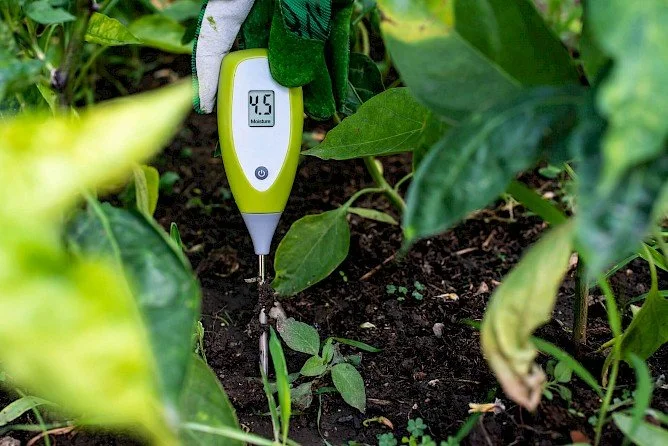
You probably already know the basics of how to keep your grass and plants healthy. The right balance of water and sunlight are critical for plant growth. At some point, you might notice that your plants aren’t thriving even when you think you’re doing everything right.
When is Is Soil Testing Necessary?
The Arizona climate can lead to changes in your soil that affect plant health. Dry weather can lead to salts building up in the soil. Heavy rains can cause runoff that leaches nutrients away from your plants.
Figuring out what is wrong with your landscape is often as simple as performing a soil test that shows exactly what your plants need to restore their health. You’ll know it is time to do a soil test if these signs ring true for your situation.
You’ve Just Purchased a New Property
Buying a new residential or commercial property is exciting. Many new property owners prefer to add a few plants to the landscape. Doing a soil test soon after you move in gives you a better idea of how well the plants will grow.
This also gives you the chance to add soil amendments before you start putting new plants in the ground.
Your Old Property Hasn’t Been Tested Recently
A good rule of thumb is to conduct a soil test every three to five years. These regular tests can help you identify any changes in the soil that tend to happen over time. Soil is constantly changing, and testing every couple of years helps you fix issues earlier.
Making this part of your long-term maintenance plan can save your plants from experiencing major problems from poorly balanced soil.
You See Signs of Plant Damage
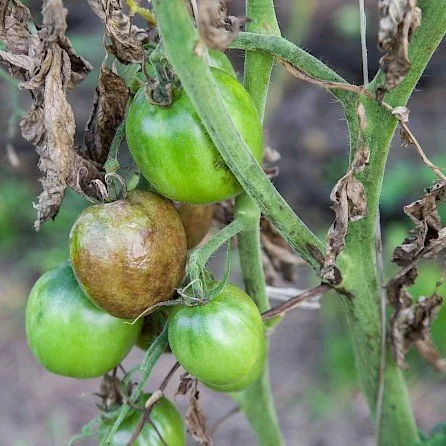
A struggling plant often gives clues about what is wrong. Plants that are in soil with high saline levels will often show signs that are similar to dehydration.
Shriveled and yellow leaves are a strong sign that your soil may have too much salt build up. With high saline soil, you’ll often notice that the tips of the leaves look burned.
You’ve Noticed the Soil Looks Different
Extremely high saline levels can sometimes cause the salt to show up on the surface of the dirt. This is especially noticeable during dry conditions.
Take a look at the soil to see if it looks compacted or has shiny, white residue crusting on the surface. If so, then a test can let you know for sure if it is salt or another component that is too high.
You’ve Recently Done Soil Amendments
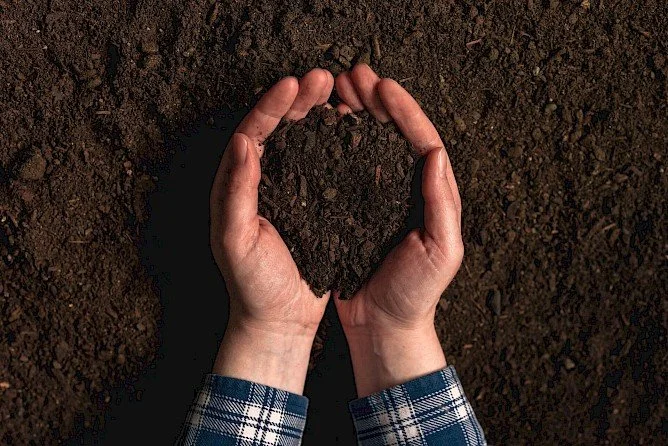
Soil amendments can take a few weeks to make a difference. Once you’ve added them, you may want to make sure that they worked before you invest in making major changes to the landscape.
After the test, you’ll know for sure if you can proceed with confidence or do another round of amendments.
The best time to do a soil test is as soon as you suspect a potential problem. Soil testing is easiest to do during times of the year when the ground is soft.
You’ll also want to do soil tests with enough time for any amendments to work. Turning poor soil into rich earth that supports plant health takes time, and the patience is worth it when you see the rewards in your lush, green landscape.
