
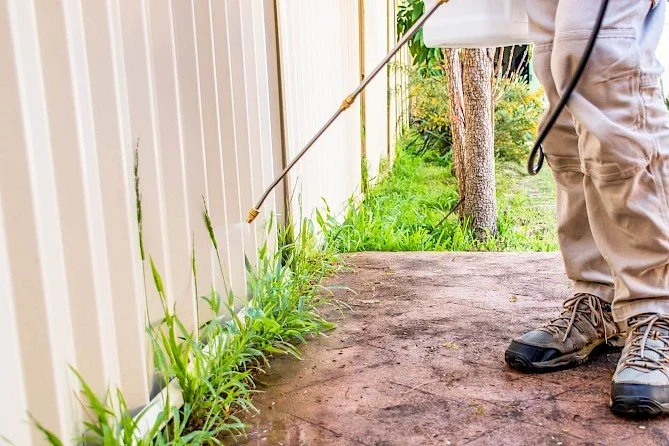
Weeds are a nuisance that affects everyone’s property at some point. Arizona is home to hundreds of different weed species, and some are even known to be invasive and noxious.
Bad Weed Control Practices
Your natural instinct may be to pull or spray a weed as soon as you see them. Taking prompt action is essential for stopping them from spreading.
There are some mistakes that you could be making, and checking for these issues will help you identify the source of a growing weed problem.
Using the Wrong Spray at the Wrong Time
With weed control, there are two main types of sprays.
Pre-Emergent Weed Killer
Pre-emergent sprays kill weeds before they sprout.
Pre-emergents prevent seeds from germinating. They work best when you apply them shortly before the prime growing season.
Post-Emergent Weed Killer
Post-emergent sprays are for the ones that you already see above the ground. If you use the wrong type of spray, then it won’t attack the right part of the plant.
Post-emergent sprays stop the plant from getting the nutrients it needs from water and sunlight. You can typically use these once a plant has grown beyond just being a sprout.
Killing Desirable Plants
We know how satisfying it is to take vengeance on weeds, but it is important to be careful. Some weeds look like desirable plants such as ivy.
Certain weed killers are designed to kill all plant life that it comes into contact with. Non-selective herbicides might kill your grass and leave you with another problem to deal with.
Making sure that you know which type of weed you have and how the spray works protects your lawn from damage.
Practicing Unsafe Chemical Handling Methods
Pest control technicians go through extensive training to learn how to handle pesticides properly.
Although an herbicide might be sold at your local hardware store, this doesn’t mean that it is safe. Wearing protective gear such as long pants and gloves helps you to keep the spray from penetrating your skin.
The instructions on the label will also likely include strategies that are designed to minimize damage.
Spraying on a wind-free day not only protects good plants, but it also stops the spray from ending up in dangerous places such as a water source for animals.
Making sure to avoid spraying when it is supposed to rain prevents chemical run-off and ensures that the spray doesn't get diluted to the point of being ineffective.
Leaving the Roots Behind
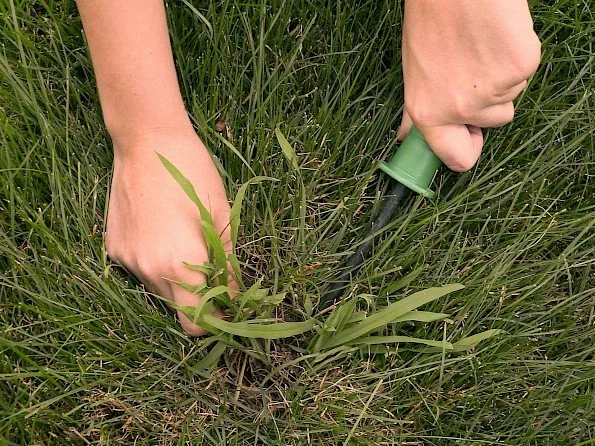
Many weeds such as dandelions have extremely long roots. If they are left in the ground, they’ll just keep growing until you see that irritating plant again.
If you choose to hand pull weeds, then make sure that you are using the right tools. You’ll also want to check for the end of the root when you get them out of the ground.
Ignoring the Rest of Your Lawn
Cultivating a strong and healthy lawn can stop weed problems from occurring.
It is easy to get so swept up in killing weeds that you overlook the other essential lawn maintenance strategies.
Focusing on watering, fertilizing and conducting soil treatments as needed helps your lawn to grow thick enough to block out weed seeds.
Keeping weeds under control can seem like an endless process. Once you kill one set of seasonal weeds off, you may notice a new type emerging.
Putting together a carefully constructed plan for handling the weeds on your property involves noting past issues so that you can be proactive.
You’ll also want to keep an eye out for new developments that signal a need to implement new control strategies to keep the landscaping clear all year long.
