
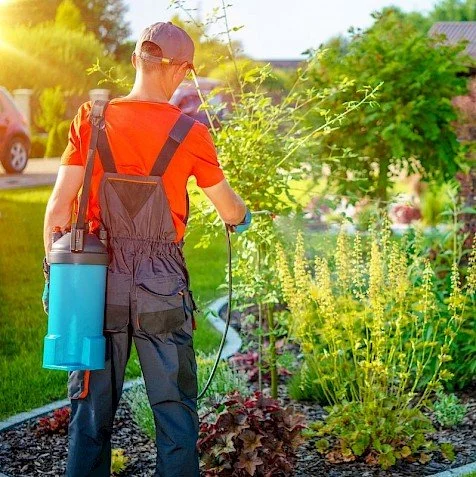
Herbicides are a type of pesticide used to control weeds and other unwanted plants. “Pesticide” is the broader term: it includes herbicides, insecticides for insects, rodenticides for rodents, and other products used to prevent or control pests.
The right treatment depends on the pest, the application site, and the product label. Identifying the problem first helps determine which treatment—or combination of methods—is appropriate for your property.
Herbicides vs Pesticides
What Is Considered a Pest?
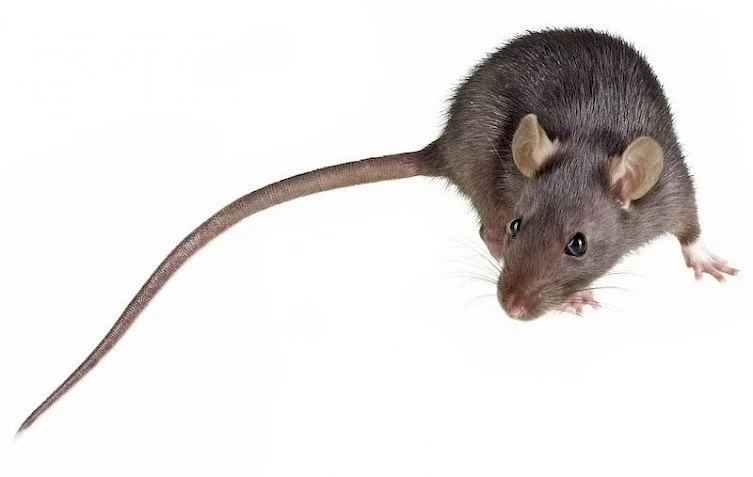
Pests can include unwanted insects, rodents, weeds, and other organisms that damage property or interfere with its use. The appropriate response depends on the species and the situation. Control may involve prevention, trapping, removing food or shelter, closing entry points, or applying a suitable pesticide.
What Are the Subcategories of Pesticides?
A pesticide is typically formulated with chemicals that affect a certain type of pest. Most pesticides are referred to by the types of problems that we use them to treat. For example, a rodent problem is treated with rodenticides. Insecticides work to eliminate those pesky bugs around your property. Herbicides are what we use to kill unwanted plant life in yards and commercial landscapes. If you are confused about what a technician means when they mention using a pesticide, you can ask them to break it down into one of these categories.
How Do Herbicides Work?

Herbicides control unwanted plants by interfering with processes they need to grow. Selective herbicides target certain plants, while non-selective herbicides can damage a broad range of vegetation, including desirable plants. The appropriate product depends on the weeds and the treatment area. Applications must follow the product label to help protect nearby lawns, trees, and ornamental plants.
Herbicides also have different effects depending upon which part of the plant growth process they target. Pre-emergent herbicides target the germinating seed so that it doesn’t have a chance to grow into a full-size plant. Post-emergent herbicides kill weeds that are already maturing into visible plants.
What Do All Pesticides Have In Common?
Pesticides must be selected and applied according to the product label, including directions for the application site, protective equipment, and access to treated areas. The right treatment depends on identifying the pest and assessing the property. Before service, ask your technician about preparation, precautions for children and pets, and any instructions to follow afterward.
The pest control field is filled with interesting information that most people don’t worry about until they run into a major problem. Learning more about how and why a pesticide works makes it easier to feel safe and confident about your pest control options.
